Exploring the importance of regular tire rotation for fleet vehicles unveils a fundamental aspect of maintenance that significantly impacts performance. As tires play a crucial role in the overall functionality of a vehicle, understanding the benefits of consistent rotation is key to optimizing fleet operations.
Importance of Regular Tire Rotation
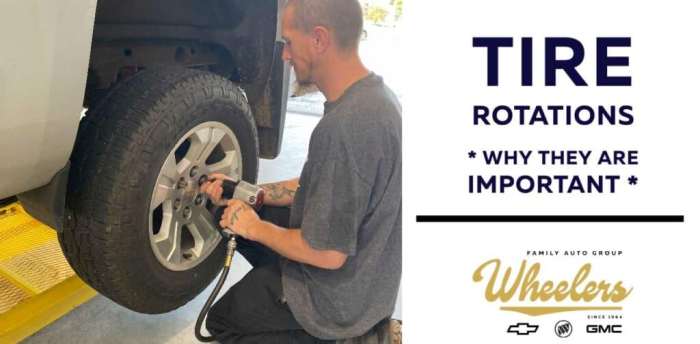
Regular tire rotation plays a crucial role in maintaining the performance and longevity of fleet vehicles. By periodically moving the tires to different positions on the vehicle, it helps ensure even wear and extends the lifespan of the tires. This practice is essential for optimizing fuel efficiency, enhancing safety, and reducing overall maintenance costs for fleet operations.
Impact of Uneven Tire Wear on Vehicle Performance
Uneven tire wear can have a significant impact on the performance of fleet vehicles. When tires wear unevenly, it can lead to imbalanced handling, reduced traction, and increased braking distances. This not only compromises the safety of the vehicle but also affects fuel efficiency and overall driving comfort.
By regularly rotating tires, fleet managers can mitigate these issues and ensure that their vehicles perform at their best.
Recommended Frequency for Tire Rotation and Benefits
It is generally recommended to rotate the tires of fleet vehicles every 6,000 to 8,000 miles or as specified by the vehicle manufacturer. This regular maintenance practice helps promote even tread wear, extends tire life, and enhances overall vehicle performance.
By rotating tires at the recommended intervals, fleet managers can maximize the value of their tire investment, improve fuel efficiency, and maintain the safety and reliability of their vehicles on the road.
Effects of Tire Rotation on Vehicle Handling
Regular tire rotation plays a crucial role in enhancing the overall performance of fleet vehicles. One of the key areas where tire rotation has a significant impact is on vehicle handling.
Improved Traction and Stability
Proper tire rotation helps to promote even wear across all tires, which in turn leads to better traction and stability on the road. When tires wear out unevenly, it can result in decreased grip and control, especially in challenging road conditions.
By rotating tires regularly, fleet vehicles can maintain optimal traction, reducing the risk of skidding or slipping.
Enhanced Braking and Cornering Performance
Even tire wear, facilitated by regular rotation, contributes to improved braking and cornering performance. When tires wear out at different rates, it can lead to uneven braking and handling. By rotating tires, fleet vehicles can ensure that all tires wear out evenly, allowing for consistent and reliable braking and cornering capabilities.
Optimized Fuel Efficiency
Proper tire rotation can also help optimize fuel efficiency for fleet vehicles. When tires wear out unevenly, it can create additional resistance on the road, leading to increased fuel consumption. By rotating tires regularly, fleet vehicles can ensure that all tires wear out evenly, reducing unnecessary friction and improving fuel efficiency.
Cost Savings and Maintenance Considerations
Regular tire rotation is a crucial aspect of fleet vehicle maintenance that can result in significant cost savings over time. By properly rotating tires, fleet operators can extend the lifespan of their tires, reduce overall tire wear, and prevent costly alignment issues and suspension damage.
Extended Tire Lifespan
- Regular tire rotation helps distribute the wear on each tire evenly, preventing premature wear on specific tires.
- By rotating tires regularly, fleet vehicles can maximize the lifespan of their tires, reducing the frequency of costly tire replacements.
Cost Savings from Reduced Tire Wear
- Reducing tire wear through regular rotation means fleet operators can get more mileage out of their tires before needing replacements.
- Extended tire lifespan translates to cost savings on purchasing new tires, which can be a significant expense for fleet operations.
Preventing Alignment Issues and Suspension Damage
- Uneven tire wear caused by neglecting tire rotation can lead to alignment issues, affecting the vehicle’s handling and safety.
- Proper tire rotation helps maintain proper alignment, reducing the risk of suspension damage and costly repairs down the line.
Safety Benefits of Regular Tire Rotation
Regular tire rotation plays a crucial role in ensuring the safety of fleet vehicles on the road. By maintaining proper tire alignment and tread wear, drivers can significantly reduce the risk of accidents and improve overall vehicle safety for both themselves and passengers.
Connection between Tire Maintenance and Road Safety
- Properly rotated tires help maintain optimal traction on the road, especially during adverse weather conditions like rain or snow.
- Even tire wear reduces the likelihood of blowouts or sudden loss of control while driving at high speeds.
- Improved handling and stability resulting from tire rotation contribute to better maneuverability and responsiveness in emergency situations.
Statistics and Case Studies
According to the National Highway Traffic Safety Administration (NHTSA), tire-related issues contribute to around 11,000 accidents annually in the United States.
- A study conducted by AAA found that vehicles with unevenly worn tires were more likely to experience hydroplaning and loss of control on wet roads.
- In another case study, a commercial fleet that implemented regular tire rotation reported a 20% decrease in accidents over a year.
Overall Vehicle Safety Enhancement
- By ensuring all tires wear evenly, drivers can maintain consistent braking performance and stability, crucial for avoiding collisions.
- Regular tire rotation also extends the lifespan of tires, reducing the risk of sudden failures that could lead to accidents.
- Well-maintained tires contribute to a smoother ride, reducing driver fatigue and enhancing the overall safety and comfort of passengers.
Last Word
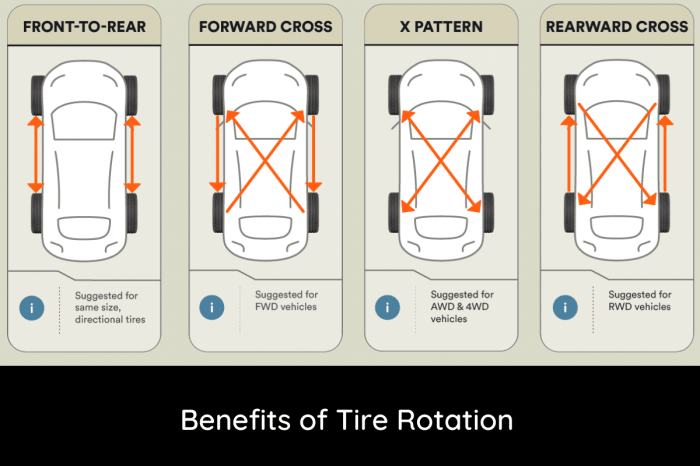
In conclusion, the practice of regular tire rotation emerges as a cost-effective strategy that not only enhances vehicle performance but also ensures safety on the road. By prioritizing this maintenance task, fleet operators can prolong the lifespan of tires, improve handling, and contribute to a smoother driving experience for both drivers and passengers alike.
Answers to Common Questions
How often should tire rotation be done?
Tire rotation is typically recommended every 5,000 to 8,000 miles, but it’s best to follow the manufacturer’s guidelines for specific recommendations based on the vehicle type.
What are the signs that indicate the need for tire rotation?
Uneven tire wear, vibrations while driving, and steering pulling to one side are common indicators that tires may need rotation to maintain optimal performance.
Can tire rotation improve fuel efficiency?
Yes, by ensuring even tire wear, proper tire rotation can optimize fuel efficiency by reducing rolling resistance and improving traction on the road.