Fleet Maintenance Logs: How to Keep Records That Save Money sets the stage for this informative discussion, shedding light on the importance of meticulous record-keeping in cost-saving measures. Dive into the world of fleet maintenance logs and discover how they play a crucial role in efficient fleet management.
Explore the components of effective fleet maintenance logs, understand the benefits of regular maintenance tracking, and unravel the compliance and legal aspects that ensure your records are in line with industry regulations.
Importance of Fleet Maintenance Logs
Keeping detailed maintenance records for your fleet is crucial for saving money in the long run. By documenting every maintenance task and repair, you can track the health of each vehicle, identify patterns of issues, and address potential problems before they become major breakdowns.
Preventing Major Breakdowns
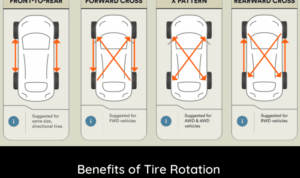
- Regularly scheduled maintenance tasks, such as oil changes and tire rotations, can prevent wear and tear that may lead to costly repairs.
- Recording minor issues and addressing them promptly can prevent them from escalating into larger, more expensive problems.
- Keeping track of vehicle history allows you to predict when certain parts may need replacement, avoiding sudden breakdowns and unexpected downtime.
Efficient Fleet Management
- Maintaining accurate maintenance logs helps in scheduling routine services more effectively, minimizing downtime and maximizing productivity.
- By analyzing maintenance data, fleet managers can identify trends, optimize maintenance schedules, and make informed decisions about vehicle replacements or upgrades.
- Well-maintained vehicles are safer to operate, reducing the risk of accidents and associated costs.
Components of Effective Fleet Maintenance Logs
Effective fleet maintenance logs are crucial for keeping track of vehicle maintenance history and ensuring the longevity and efficiency of your fleet. Here are key components to include in your maintenance logs:
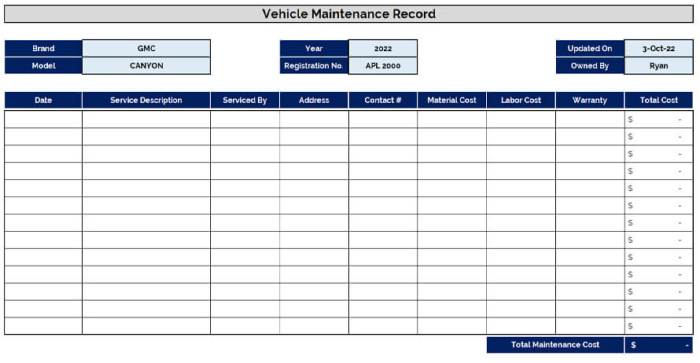
Information to Include in Maintenance Logs
- Vehicle identification number (VIN)
- Mileage at the time of maintenance
- Date and time of maintenance
- Type of maintenance performed (e.g., oil change, tire rotation, brake inspection)
- Parts replaced or repaired
- Name of mechanic or technician who performed the maintenance
- Cost of maintenance
- Any additional notes or comments
Digital vs. Manual Log-Keeping Methods
While manual log-keeping methods involve physical record-keeping in logbooks or files, digital methods utilize software or apps to store maintenance data electronically. Here are some considerations when choosing between the two:
- Digital:Allows for easy search and retrieval of maintenance records, reduces paperwork, and can provide automated reminders for upcoming maintenance tasks.
- Manual:May be more reliable in case of technology failures, provides a tangible backup, and can be cost-effective for smaller fleets.
Best Practices for Organizing and Categorizing Maintenance Records
Proper organization of maintenance records is essential for efficient fleet management. Here are some best practices to consider:
- Use a standardized format for recording maintenance information to ensure consistency.
- Implement a color-coded system or digital tags to categorize different types of maintenance tasks.
- Store maintenance records in a secure and easily accessible location to facilitate quick reference when needed.
- Regularly review and update maintenance logs to ensure accuracy and completeness of information.
Benefits of Regular Maintenance Tracking
Regular maintenance tracking plays a crucial role in ensuring the longevity and efficiency of fleet vehicles. By keeping up with scheduled maintenance, fleet managers can prevent costly breakdowns, extend the lifespan of vehicles, and improve overall performance.
Extended Lifespan of Fleet Vehicles
Regular maintenance tracking helps in identifying and addressing potential issues before they escalate into major problems. By sticking to maintenance schedules for tasks such as oil changes, tire rotations, and brake checks, fleet managers can keep vehicles in optimal condition, resulting in longer lifespans for the fleet as a whole.
Role of Predictive Maintenance
Predictive maintenance involves using data and analytics to predict when maintenance is needed, rather than relying on scheduled intervals. By implementing predictive maintenance strategies, fleet managers can reduce the risk of unexpected breakdowns and costly repairs. This proactive approach helps in identifying issues early on, saving both time and money in the long run.
Improved Fuel Efficiency
Tracking maintenance activities can also have a positive impact on fuel efficiency. Regular maintenance, such as tuning the engine, checking tire pressure, and replacing air filters, can help vehicles operate more efficiently. This, in turn, leads to reduced fuel consumption and lower operating costs for the fleet.
Compliance and Legal Aspects
Maintaining accurate fleet maintenance logs is not only crucial for ensuring the smooth operation of your vehicles but also for compliance with industry regulations and legal standards. In case of audits or legal issues, having detailed maintenance records can be a lifesaver for your business.
Importance of Compliance
- Compliance with industry regulations: Keeping up-to-date maintenance logs is essential to adhere to regulations set by authorities such as the Department of Transportation (DOT) or the Federal Motor Carrier Safety Administration (FMCSA).
- Legal protection: Accurate maintenance records can serve as evidence in case of disputes, accidents, or legal claims, helping you demonstrate that your fleet was well-maintained and met all safety requirements.
Ensuring Legal Standards
- Document everything: Make sure to document all maintenance activities, including repairs, inspections, and preventive measures, in a clear and organized manner.
- Include essential details: Record dates, mileage, service providers, parts replaced, and any other relevant information to ensure your maintenance logs are comprehensive and compliant.
- Stay up-to-date: Regularly review and update your maintenance logs to reflect the most recent maintenance activities and ensure that they are always accurate and complete.
Final Review
In conclusion, Fleet Maintenance Logs: How to Keep Records That Save Money offers a comprehensive guide on optimizing your fleet maintenance practices. By embracing detailed record-keeping, you can enhance the longevity of your vehicles, reduce unexpected repair costs, and stay compliant with legal standards.
Take charge of your fleet’s maintenance logs and watch your savings grow.
FAQ Compilation
How often should maintenance logs be updated?
Maintenance logs should be updated after every service or repair to maintain accuracy and ensure all information is current.
Is digital log-keeping more efficient than manual methods?
Digital log-keeping offers advantages such as easy accessibility and searchability, making it a popular choice for many fleet managers.
What are the consequences of not maintaining accurate maintenance logs?
Failure to maintain accurate maintenance logs can lead to increased repair costs, reduced vehicle lifespan, and legal compliance issues.