
Why Cybersecurity Should Be Your 2025 Business Priority sets the stage for this enthralling narrative, offering readers a glimpse into a story that is rich in detail and brimming with originality from the outset. Businesses are facing an ever-evolving threat landscape, and the need for robust cybersecurity measures has never been more crucial.
As we delve into the intricacies of cybersecurity in the year 2025, we uncover the key factors that will shape the future of business security.
Why Cybersecurity Matters in 2025
In 2025, the importance of cybersecurity cannot be overstated as the threat landscape continues to evolve rapidly. Businesses are facing more sophisticated and frequent cyber attacks, making it essential to prioritize cybersecurity measures to safeguard sensitive data and operations.
Evolving Threat Landscape in 2025
Cyber threats in 2025 are expected to be more advanced and diverse, with the rise of AI-powered attacks, quantum computing threats, and increased use of IoT devices creating new vulnerabilities. Hackers are constantly developing new techniques to exploit weaknesses in systems, posing a significant challenge to businesses.
Potential Risks Without Adequate Cybersecurity Measures
Without proper cybersecurity measures in place, businesses risk falling victim to data breaches, ransomware attacks, financial losses, reputational damage, and legal consequences. The impact of a cyber attack can be devastating, leading to downtime, loss of customer trust, and regulatory fines.
Cybersecurity Challenges Comparison: Now vs. 2025
Compared to the present, cybersecurity challenges in 2025 are expected to be more complex and dynamic. The increasing interconnectedness of devices and systems, along with the growing sophistication of cyber threats, will require businesses to adopt proactive approaches to cybersecurity and stay ahead of evolving risks.
Emerging Technologies Impacting Cybersecurity
In 2025, cybersecurity will be heavily influenced by key emerging technologies that are reshaping traditional practices and strategies. Among these technologies, artificial intelligence (AI) and machine learning are playing a significant role in enhancing cybersecurity defenses.
The Role of AI and Machine Learning
AI and machine learning algorithms are revolutionizing cybersecurity by enabling automated threat detection, response, and mitigation. These technologies can analyze vast amounts of data in real-time, identify patterns, and predict potential cyber threats before they occur. By continuously learning from new data and adapting to evolving threats, AI-powered cybersecurity systems provide proactive defense mechanisms against sophisticated cyberattacks.
The Impact of IoT and Cloud Computing
- The Internet of Things (IoT) devices, such as smart sensors and connected appliances, are expanding the attack surface for cyber threats. Integrating robust security measures into IoT devices and networks is crucial to prevent unauthorized access and data breaches.
- Cloud computing services offer scalability and flexibility but also introduce security challenges related to data privacy, compliance, and access control. Implementing encryption, multi-factor authentication, and secure configurations are essential to safeguard sensitive data stored in the cloud.
Regulatory Environment and Compliance
In the ever-evolving landscape of cybersecurity, regulatory changes play a crucial role in shaping the requirements that businesses need to adhere to. By 2025, the regulatory environment is expected to become even more stringent, with new laws and standards being introduced to enhance data protection and privacy.
Impact of Regulatory Changes
- The introduction of the General Data Protection Regulation (GDPR) has set a precedent for data privacy laws globally, requiring businesses to implement strict measures to protect personal data.
- The California Consumer Privacy Act (CCPA) and other similar regulations in different regions aim to give consumers more control over their personal information, increasing the responsibility of businesses to safeguard data.
- Industry-specific regulations, such as the Health Insurance Portability and Accountability Act (HIPAA) for healthcare and the Payment Card Industry Data Security Standard (PCI DSS) for payment card industry, impose specific cybersecurity requirements on organizations operating in these sectors.
Importance of Compliance for Cybersecurity
- Staying compliant with regulations is essential for businesses to avoid hefty fines and penalties for data breaches and non-compliance.
- Compliance helps organizations build trust with customers by demonstrating their commitment to protecting sensitive information and upholding privacy rights.
- Meeting regulatory requirements also enables businesses to mitigate risks, enhance their cybersecurity posture, and adapt to the evolving threat landscape effectively.
Cybersecurity Investment and ROI
Investing in cybersecurity is crucial for businesses in 2025 to protect their assets, data, and reputation from cyber threats. While the initial costs of implementing robust cybersecurity measures may seem daunting, the return on investment (ROI) can be significant in the long run.Cybersecurity can positively impact a company’s bottom line in several ways.
By preventing data breaches and cyber attacks, businesses can avoid costly downtime, financial losses, and damage to their brand reputation. Moreover, investing in cybersecurity demonstrates a commitment to safeguarding customer data, which can enhance trust and loyalty among clients.
Examples of Successful Cybersecurity Strategies with High ROI
- Implementing Multi-Factor Authentication (MFA): Companies that have adopted MFA have seen a significant reduction in unauthorized access to their systems, leading to lower risk of data breaches and financial losses.
- Regular Security Training for Employees: Educating staff on cybersecurity best practices can help prevent human errors that often lead to cyber incidents. Companies that invest in ongoing security training have reported fewer security incidents and improved overall cybersecurity posture.
- Proactive Threat Detection and Incident Response: Businesses that utilize advanced threat detection tools and have a well-defined incident response plan in place can quickly identify and mitigate cyber threats, minimizing the impact on their operations and finances.
Human Factor in Cybersecurity
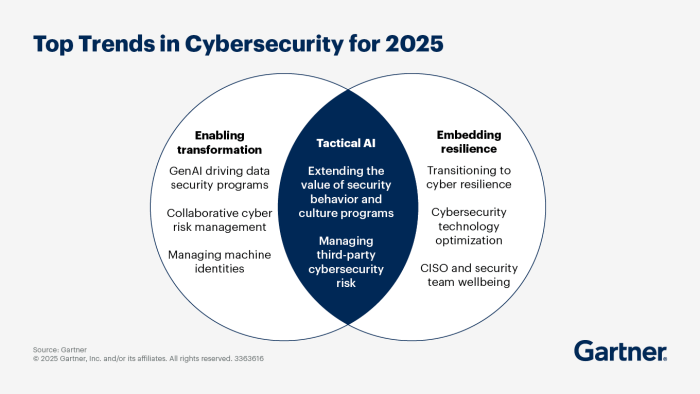
The human factor plays a crucial role in maintaining cybersecurity measures within an organization. Employees are often the first line of defense against cyber threats, making it essential for them to be well-informed and trained to identify and prevent potential security breaches.
Role of Employees in Maintaining Cybersecurity
- Employees are responsible for following security protocols and best practices to safeguard sensitive information.
- They play a key role in recognizing and reporting any suspicious activities or phishing attempts.
- Properly trained employees can help prevent social engineering attacks and unauthorized access to company systems.
Importance of Cybersecurity Training and Awareness Programs
Training and awareness programs are essential to educate employees on the latest cybersecurity threats and best practices to mitigate risks.
- Regular training sessions can help employees stay informed about evolving cyber threats and security measures.
- Awareness programs can empower employees to make informed decisions and take necessary precautions to protect company data.
- Training sessions can simulate real-life cyber attack scenarios to prepare employees to respond effectively in case of a breach.
Examples of Human Errors Leading to Cybersecurity Breaches
- Clicking on malicious links or attachments in phishing emails can introduce malware into the company’s network.
- Using weak or easily guessable passwords can make it easier for cybercriminals to gain unauthorized access to sensitive information.
- Disposing of confidential documents improperly or leaving devices unattended can lead to data breaches.
Final Thoughts
In conclusion, prioritizing cybersecurity for your business in 2025 is not just a recommendation but a necessity. With emerging technologies, regulatory changes, and the human factor all playing significant roles, investing in cybersecurity now will safeguard your company’s future. Stay ahead of the curve and make cybersecurity your top priority to ensure a secure and successful business journey in the years to come.
Clarifying Questions
Why is cybersecurity crucial for businesses in 2025?
Cybersecurity is crucial in 2025 due to the evolving threat landscape and the potential risks businesses face without adequate measures.
How can investing in cybersecurity benefit a company?
Investing in cybersecurity can positively impact a company’s bottom line by preventing costly data breaches and protecting sensitive information.
What role do employees play in maintaining cybersecurity?
Employees play a crucial role in maintaining cybersecurity by following best practices, undergoing training, and being aware of potential threats.









![[Video] Narayana Health on LinkedIn: Air Pollution not only affects ...](https://digital.viralsumsel.com/wp-content/uploads/2025/11/Long-Term-Potentiation-step-1-biorender-ul-300x178.png "[Video] Narayana Health on LinkedIn: Air Pollution not only affects ...")